

American Standard Restoration embodies a commitment to honoring the deep heritage of traditional American building design. As time go by, the aesthetic and structural integrity of heritage structures often face challenges from the elements and modern modifications. This process focuses on the art of revitalizing these enduring pieces to their former glory while upholding their individual characteristics.
In this exploration, we explore the key techniques that distinguish American Standard Restoration. By utilizing a fusion of traditional craftsmanship and modern practices, craftsmen ensure that the soul of each structure remains intact. Understanding the principles behind American Standard Restoration not only enhances our respect for cultural landmarks but also underscores the significance of sustainability and the preservation of cultural heritage for coming generations.
Chronicle of ASR
ASR has its roots in the initial 20th century when the necessity for dependable and efficient repair services became evident. As American society moved forward through the age of industry, the demand for quality refurbishment of different household and commercial goods grew significantly. This period represented the onset of a trend toward preserving the integrity and functionality of standard appliances, fixtures, and furniture that defined American life.
Throughout the decades, ASR adapted, molded by changes in technology and consumer needs. The mid-century brought about a fresh wave of modernization, leading to innovative techniques and materials that enhanced the repair process. Skilled craftsmen began to build a reputation, devoting their expertise to the meticulous repair and refinishing of appliances that frequently held sentimental value for many families.
By the late 20th century, ASR had secured its position in the market, concentrating not only on repair but also on education and community engagement. The rise of eco-consciousness during this time helped popularize the practice, as refurbishing items became a sustainable alternative to throwing away them. As a result, the principles of American Standard Restoration continued to be transmitted, ensuring that both quality workmanship and historical significance were preserved for future generations.
Key Techniques and Methods
One of the foundational techniques in American Standard Restoration is the employment of traditional materials. Craftsmen often prefer authentic materials to ensure that improvements blend harmoniously with current structures. This method not only protects the visual integrity but also upholds the cultural value of the restoration project. Understanding the unique characteristics of materials such as wood, plaster, and metals is vital for achieving an genuine restoration result.
Moreover, skilled artisans often employ time-honored craftsmanship techniques that have been passed down through generations. Techniques like hand-joinery, traditional plastering, and detailed woodworking are vital in restoring both functionality and beauty to historic spaces. By focusing on these methods, restorers can deal with intricate details that reflect the historical design intent, allowing for a finished product that honors the history while providing contemporary usability.
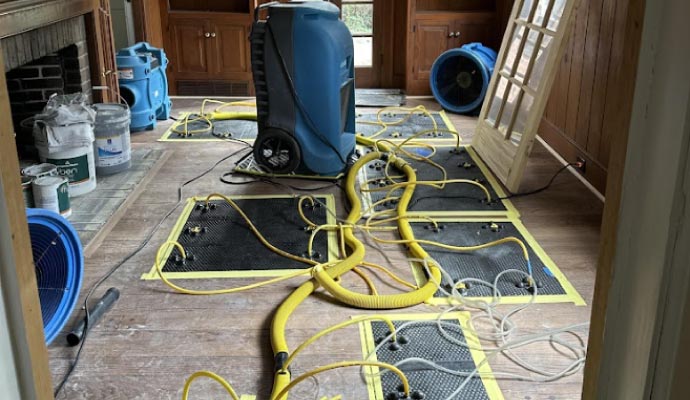
In conclusion, a comprehensive assessment of the current structure plays a critical role in the restoration process. This assessment involves careful inspection for any structural weaknesses, damage, or deterioration. By identifying these elements early on, restoration specialists can create targeted strategies that resolve the underlying issues before beginning surface-level repairs. This systematic approach ensures not only that the restored space is visually appealing but also structurally sound for years to come.
Challenges and Solutions in Restoration
The restoration company faces numerous difficulties that can hinder the restoration process. One common problem is the degradation of building materials, which can result in structural weakness and aesthetic concerns. As Restoration companies Tacoma WA , finding identical replacements or suitable matches that maintain the authenticity of the original structure can be difficult. This challenge requires careful assessment and often the requirement to employ expert craftsmen who can replicate or restore these historical elements accurately.
Another significant challenge is compliance with modern building codes and regulations while maintaining the genuineness of the restoration. Many older structures were built before current codes were established, resulting in conflicts between restoration practices and safety regulations. To navigate this, restoration experts often work collaboratively with municipal officials and follow to guidelines set forth by preservation societies. This collaborative approach ensures that the necessary updates are made without compromising the character of the initial design.
Lastly, securing financial support for restoration projects can be a considerable hurdle. Fire damage restoration Tacoma WA on financial assistance, donations, or public funding, which can fluctuate based on market trends. To tackle this issue, restoration experts frequently engage in community engagement and education, highlighting the cultural and historical significance of the project. By cultivating a sense of community involvement and support, they can secure the necessary financial resources to undertake meaningful restoration projects.